The evolution of gambling through the ages a historical perspective
The Origins of Gambling
The history of gambling can be traced back thousands of years, with archaeological findings revealing evidence of ancient games of chance in various cultures. The earliest known gambling activities appeared in China around 2300 BC, where rudimentary dice were used for betting purposes. Similarly, the ancient Romans engaged in betting on gladiatorial contests, demonstrating that gambling has long been intertwined with human entertainment. Today, many people enjoy online options like an instant withdrawal casino, which offer quick access to winnings.
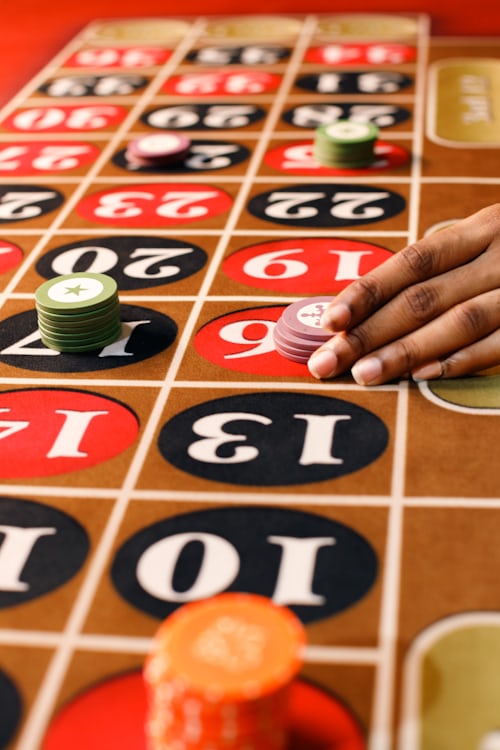
As societies evolved, so did gambling practices. The Greeks contributed to the culture of gambling with their own games and betting systems, often linked to athletic competitions such as the Olympics. This highlights how gambling has continuously been a reflection of societal interests, transforming from primitive pastimes to organized activities that engage larger audiences.
Gambling in the Middle Ages
The Middle Ages marked a significant transition in gambling, particularly in Europe. During this period, gaming houses began to emerge, providing a more structured environment for gambling. Card games became increasingly popular, and the development of playing cards in the 14th century introduced new elements to gambling. These games brought a level of sophistication and strategy that appealed to the growing number of players.
Additionally, gambling was often restricted by the Church, which viewed it as a sin. However, this did not deter people; instead, it often led to underground gambling activities. The tension between prohibition and the desire to gamble further solidified gambling’s place in society during the Middle Ages, paving the way for future legalizations and regulations.
The Rise of Modern Gambling
The 19th century heralded the birth of modern gambling as we know it today. With the establishment of casinos in places like Monte Carlo and Las Vegas, gambling transitioned into a global entertainment industry. The introduction of various games, such as roulette and poker, attracted a diverse clientele, making casinos a hub of social activity.
The legalization of gambling in various jurisdictions also reflected changing societal attitudes. As governments recognized the potential for tax revenue, they began regulating gambling activities, ensuring safer environments for players. This shift not only enhanced the legitimacy of gambling but also expanded its reach, making it accessible to more people than ever before.
The Digital Revolution and Online Gambling
The advent of the internet in the late 20th century transformed the gambling landscape dramatically. Online casinos emerged, allowing players to engage in their favorite games from the comfort of their homes. This digital revolution provided unparalleled convenience and accessibility, attracting a new generation of gamblers.
Moreover, advancements in technology have led to innovations such as live dealer games and mobile gaming apps, further enhancing the online gambling experience. However, this growth also brought challenges related to regulation, responsible gaming, and security, necessitating ongoing adaptations by both operators and players to ensure safe practices in the online realm.

Exploring Responsible Gambling Online
As the online gambling industry continues to evolve, it becomes increasingly important to focus on responsible gambling practices. Many online platforms have implemented features to help players manage their gambling habits, such as deposit limits and self-exclusion options. This emphasis on player protection highlights the industry’s commitment to fostering a safe gaming environment.
By prioritizing responsible gaming, players can enjoy the thrill of gambling while minimizing the risks associated with it. This shift not only benefits individual players but also contributes to the overall integrity of the gambling industry, ensuring that it remains a sustainable and enjoyable form of entertainment for future generations.